
Year after year, Jacuzzi redefines what hydrotherapy can be.
Year after year, Jacuzzi redefines what hydrotherapy can be.
Year after year, Jacuzzi redefines what hydrotherapy can be.
Year after year, Jacuzzi redefines what hydrotherapy can be.

Nothing else relaxes you like Jacuzzi.
Nothing else energizes you like Jacuzzi.
Nothing else feels this good.
Nothing else relaxes you like Jacuzzi.
Nothing else energizes you like Jacuzzi.
Nothing else feels this good.
Nothing else relaxes you like Jacuzzi.
Nothing else energizes you like Jacuzzi.
Nothing else feels this good.
Nothing else relaxes you like Jacuzzi.
Nothing else energizes you like Jacuzzi.
Nothing else feels this good.
From restorative hot tubs to invigorating swim spas, calming baths to soothing saunas—your journey into Jacuzzi wellness starts here.
From restorative hot tubs to invigorating swim spas, calming baths to soothing saunas—your journey into Jacuzzi wellness starts here.
From restorative hot tubs to invigorating swim spas, calming baths to soothing saunas—your journey into Jacuzzi wellness starts here.
From restorative hot tubs to invigorating swim spas, calming baths to soothing saunas—your journey into Jacuzzi wellness starts here.

70 years of breakthroughs go into every moment of bliss.
With decades of expertise in the science of moving water, our pioneering spirit has led to many signature achievements—like precision-placed jets, ergonomic seating, and intuitive controls.

Relief that goes deeper
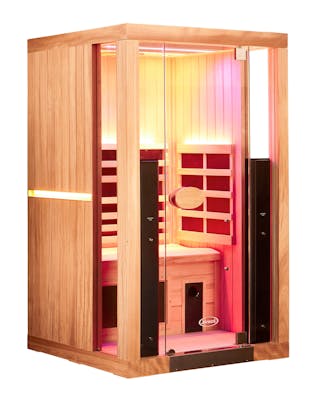
Our exclusive Infrared and Red Light therapy works in harmony with hydrotherapy to soothe and rejuvenate beneath the surface and improve health and well-being.
Relief that goes deeper
Our exclusive Infrared and Red Light therapy works in harmony with hydrotherapy to soothe and rejuvenate beneath the surface and improve health and well-being.
Relief that goes deeper
Our exclusive Infrared and Red Light therapy works in harmony with hydrotherapy to soothe and rejuvenate beneath the surface and improve health and well-being.
Relief that goes deeper
Our exclusive Infrared and Red Light therapy works in harmony with hydrotherapy to soothe and rejuvenate beneath the surface and improve health and well-being.

The next generation of water care
The next generation of water care
So fresh. So clear. And 99.999% chlorine-free. True Water makes spa water fresh without all the harsh chemicals. You’ll see, feel, and smell the difference.
So fresh. So clear. And 99.999% chlorine-free. True Water makes spa water fresh without all the harsh chemicals. You’ll see, feel, and smell the difference.
The next generation of water care
The next generation of water care
So fresh. So clear. And 99.999% chlorine-free. True Water makes spa water fresh without all the harsh chemicals. You’ll see, feel, and smell the difference.
So fresh. So clear. And 99.999% chlorine-free. True Water makes spa water fresh without all the harsh chemicals. You’ll see, feel, and smell the difference.
Smarter than ever
Smarter than ever
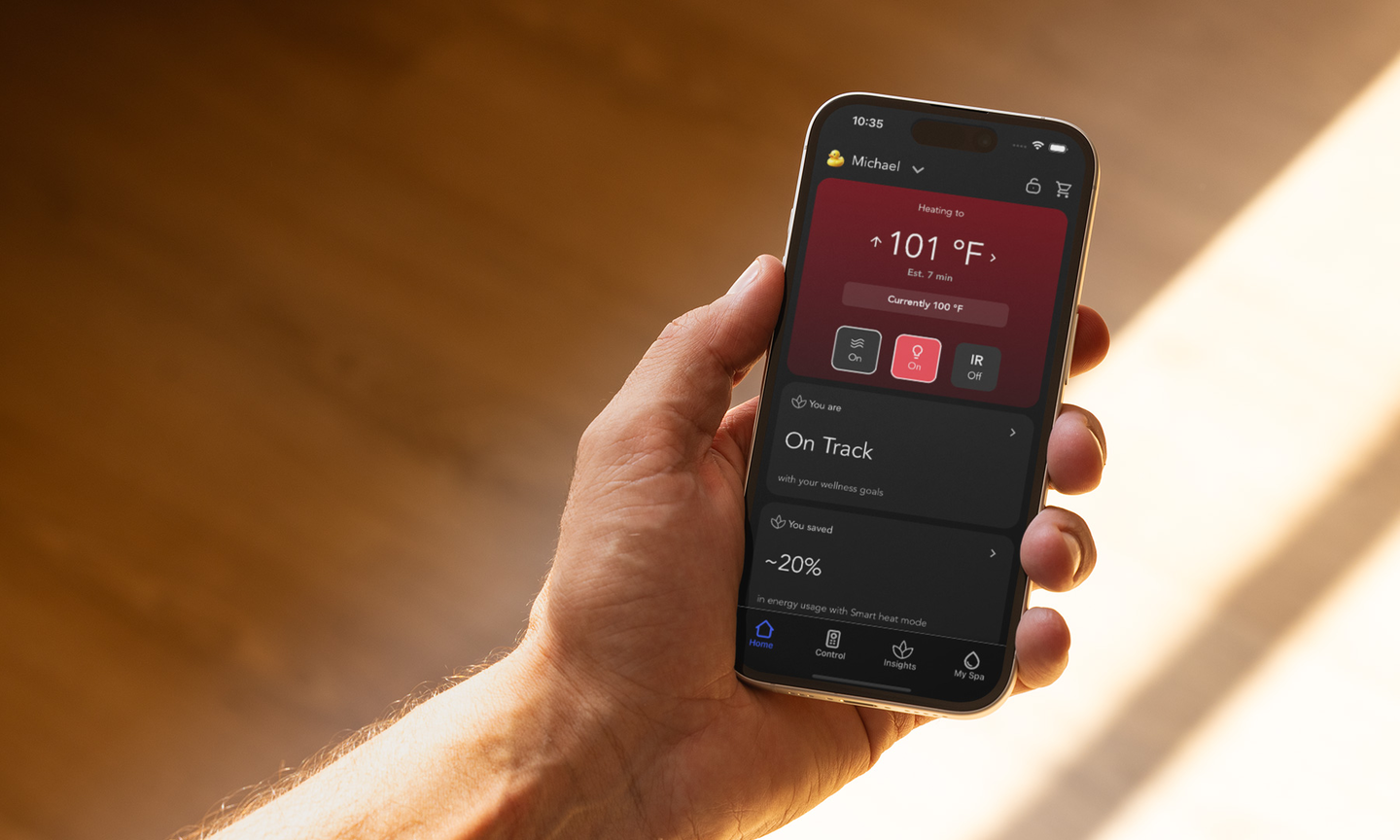
Our exclusive SmartTub system is like a remote control and command center that lets you monitor, operate, and protect your Jacuzzi hot tub.
Our exclusive SmartTub system is like a remote control and command center that lets you monitor, operate, and protect your Jacuzzi hot tub.
Smarter than ever
Smarter than ever
Our exclusive SmartTub system is like a remote control and command center that lets you monitor, operate, and protect your Jacuzzi hot tub.
Our exclusive SmartTub system is like a remote control and command center that lets you monitor, operate, and protect your Jacuzzi hot tub.
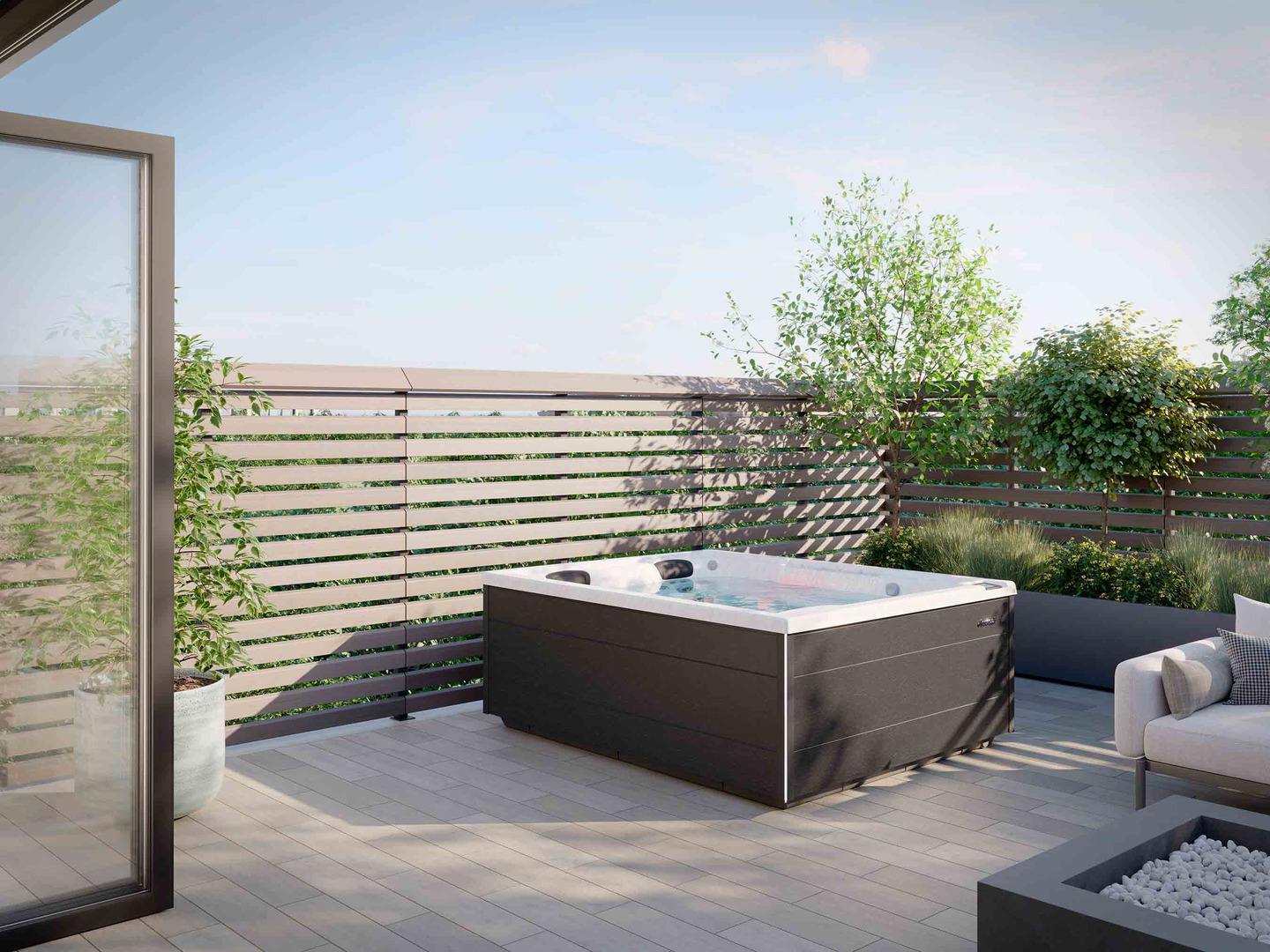
Browse Jacuzzi Products




FAQs
Choosing the Right Hot Tub for Your Needs
Selecting a hot tub is about more than simply picking a size or jet count—it’s about crafting your personalized retreat. Start by considering how you’ll use your spa: is it mainly for relaxation, muscle recovery, or social gatherings?
Key considerations include:
- Size and Space: Think about how many people will enjoy the tub regularly and match your choice to your available space. There are cozy models perfect for couples, as well as larger tubs built for family and friends.
- Hydrotherapy Features: Look for a spa with strategically placed jets to target key muscle groups—especially important if you’re focused on wellness or recovery after exercise.
- Energy Efficiency: High-quality insulation and efficient pumps not only keep the water warm but also help manage energy costs over time.
- Comfort and Design: Ergonomic seating and intuitive controls transform each soak into a spa-like experience. Consider options with adjustable jets, custom lighting, and built-in features for that extra touch of luxury.
Take time to compare collections, exploring options that suit both your lifestyle and your home. Your perfect hot tub should offer reliable performance, beautiful design, and restorative hydrotherapy—inviting you, day after day, to relax and recharge.
How do the costs of running a hot tub compare, and what should you expect to pay in the future?
Hot Tub Running Costs: What to Expect
Curious about what it really costs to keep a hot tub running? The answer depends on several factors, from local utility rates to your preferred water temperature and how often you use your spa.
What Influences the Cost?
- Energy Efficiency: Modern hot tubs from trusted brands, such as Jacuzzi®, Sundance®, and HotSpring®, are engineered with advanced insulation and energy-saving features designed to keep ongoing costs lower.
- Usage Habits: Using your spa frequently at higher temperatures will naturally use more energy. Conversely, a well-maintained cover and lower temperature settings can help minimize monthly bills.
- Climate: Colder climates typically require more energy to maintain your preferred water temperature.
Typical Monthly Costs
Most energy-efficient hot tubs generally cost between $20–$50 per month to operate, depending on the factors above. Older models or spas with less insulation can run higher, sometimes up to $100 per month in extreme cases or harsh winters.
Future Considerations
As energy-efficient technology continues to improve, future running costs may trend downward, especially with new features like smart controls that optimize heating schedules and monitor usage. Keeping your hot tub well-maintained—clean water, timely filter replacements, and checking for leaks—will also help manage ongoing expenses and extend your spa’s lifespan.
In short, ongoing costs can be tailored to your needs and preferences, making your relaxation at home both enjoyable and sustainable.
Hot Tub Maintenance: Is It Complicated?
A common question among potential hot tub owners is whether maintenance is a hassle. The good news? Upkeeping a hot tub is surprisingly manageable with the right routine and tools.
Regular care tasks—like balancing water chemistry, cleaning filters, and covering your hot tub when not in use—are simple with products and guidance from well-known brands like Jacuzzi®, ensuring your soak stays sparkling and safe year-round. Many modern hot tubs even come equipped with user-friendly systems and digital monitoring tools, making tasks like checking sanitizer levels or adjusting temperature quick and intuitive.
For Jacuzzi® owners, the True Water™ system takes the guesswork out of water care by automating much of the process, reducing the need for constant manual adjustments. That means cleaner, clearer water with less effort on your part.
For most owners, routine maintenance becomes a satisfying ritual rather than a chore. Plus, with a bit of planning, smart technology, and the right accessories, you can spend far more time enjoying the soothing benefits than working on upkeep.
Who Should Consider Investing in a Hot Tub?
Hot tubs appeal to a wide range of people, each with their own reasons for making the plunge—sometimes quite literally. Whether you're looking to create an oasis of calm after a long workday, or simply elevate your backyard into a retreat, there's something in it for everyone.
- Those Seeking Stress Relief: If finding a moment of calm at home feels like searching for a needle in a haystack, a hot tub may be your answer. The embrace of warm, swirling water naturally eases tension, helping you unwind as jets deliver targeted hydrotherapy.
- Anyone Focused on Wellness: Athletes, weekend warriors, or anyone recovering from physical exertion can take advantage of the soothing heat and buoyancy that assist with muscle recovery and help wash away post-workout fatigue.
- Friends and Family Gatherers: For those who love to host, a hot tub effortlessly transforms a simple evening into a memorable occasion. Gather round, enjoy good company, and let conversations flow as easily as the bubbles.
- Individuals with Discomfort: If you experience muscle aches, joint stiffness, or conditions like arthritis, a soak in a hot tub can provide gentle relief, supporting overall mobility and well-being.
No matter your motivation, investing in a hot tub brings the promise of everyday luxury, recovery, and connection—right in your own space.
Pool or Hot Tub: Choosing What’s Right for Your Space
If you’re on the fence between installing a swimming pool or a hot tub in your backyard oasis, a little perspective can go a long way. Start by thinking about your lifestyle and how you see yourself unwinding: Do you dream of swimming laps on a sunny afternoon, hosting splashy pool parties, or are you all about relaxing soaks after a long day, perhaps under the stars?
Considerations to help you decide:
- Space and Budget: Pools usually need more room and tend to come with a bigger price tag—not just for installation, but also for maintenance. Hot tubs, on the other hand, fit nicely into smaller spots and are often less of a commitment for your wallet or your mower.
- Usage: If exercise tops your list, a pool wins for swimming and all-around play. Crave the soothing warmth and muscle relief? A hot tub is your ticket (with hydrotherapy to boot).
- Climate: If you live in a region with chillier seasons, a hot tub might get year-round use when a pool would be shuttered for months. In warmer locales, a pool can be a cool oasis for a longer stretch of the year.
- Maintenance: Pools call for steady upkeep—think chemicals, skimming, cleaning, and monitoring. Hot tubs, while not fuss-free, can be a bit easier to manage.
Take a look at how your favorite gathering spots—like friends’ homes, resorts, or even the local YMCA—match up with your daily routine. There’s no wrong answer, only what suits you best.
The distinct collections of Jacuzzi® Hot Tubs provide you with choices and options including varying price points, levels of design, features, size, seating, and hydromassage combinations.
When selecting the perfect hot tub, it's important to consider several key factors:
- Size & Capacity: Whether you're looking for an intimate 2-person retreat or a spacious 6-7+ person spa for entertaining, there are models designed to suit every need. Smaller tubs are ideal for couples or solo relaxation, while larger options accommodate families or groups of friends.
- Price Range: From approachable entry-level choices to premium luxury collections, there are hot tubs to fit a variety of budgets and preferences.
- Features: Decide if you prefer a straightforward soak or want to indulge in added amenities. Many models include built-in seating, powerful jets, advanced hydromassage technology, ambient lighting, and entertainment features to enhance your experience.
- Cover Options: A well-fitted, insulated cover is essential not only for maintaining water temperature and saving energy, but also for protecting your hot tub from debris. Look for covers that are durable and tailored to your chosen model, with options for added insulation or easy-lift mechanisms.
By weighing these elements—capacity, size, price, features, and cover options—you’ll be better equipped to choose a hot tub that matches your lifestyle and delivers an exceptional wellness experience.
Hydromassage
The perfect mix of air and water delivered through jets precisely placed along key muscle structures in ergonomic seats can improve your overall well-being.
Wellness Beyond Expectations
A Jacuzzi® hot tub does more than just deliver performance—it becomes the centerpiece for relaxation, recovery, and connection. Whether you invite friends over for an evening soak or claim the spa for yourself after a long day, the experience is tailored to your needs. Entertain guests—encourage them to bring their bathing suits, and create memorable evenings filled with laughter and conversation. Or, take a solo spa break and simply relax. From gentle warmth to invigorating heat, every soak helps you wind down, de-stress, and carve out those essential moments of “you” time.
Hydrotherapy Benefits
Natural Stress Relief
Learn how hydrotherapy can help you relax, unwind, and find stress relief.
Recovery from Exercise
Immersing yourself in warm water can relieve post-workout aches and pains and help release lactic acid.
Jacuzzi® offers three distinct collections of hot tubs—each designed with unique combinations of size, seating, hydromassage power, and style. Whether you’re seeking a compact spa for two or a spacious model for entertaining six, every Jacuzzi® hot tub features ergonomic seating and premium jets. Select models include advanced amenities such as Bluetooth® speakers, customizable LED lighting, and elegant water features. From energy-efficient value models to state-of-the-art luxury designs, there’s a perfect fit for every lifestyle and space
Start with how you’ll use your spa.
- For entertaining: Choose a larger model with multiple seating options.
- For personal relaxation: A compact design can offer cozy comfort with smaller footprints.
- Also consider jet placement, electrical access, and space for safe entry and maintenance. Measure your area carefully, accounting for filled weight and access for installation. Matching your hot tub to your lifestyle and location ensures years of comfort and enjoyment.
Acrylic hot tubs deliver lasting durability, more seating capacity, and powerful hydrotherapy jets for a full-body massage experience. They’re ideal for families or those seeking advanced comfort features. Soft-side hot tubs, while more portable and budget-friendly, typically include fewer jets and simpler designs—best suited for smaller spaces or casual soaking.
Luxury models elevate your soak with innovative enhancements like integrated Bluetooth® audio, soothing water features, and customizable LED lighting. These amenities create a multisensory spa experience—perfect for unwinding, recovering after workouts, or transforming your backyard into a personal wellness retreat.
Installation needs vary by model and brand.
Keep these basics in mind:
- Foundation: A flat, reinforced base such as concrete, decking, or pavers.
- Electrical: Some plug into standard outlets; others require professional hard-wiring.
- Access & Clearance: Allow space for delivery, maintenance, and service panels.
- Water Supply & Drainage: Plan a convenient fill and drain location.
- Permits: Check local codes for electrical or building approvals.
- Reviewing requirements before purchase ensures a smooth setup and years of worry-free operation.
Yes. Most premium brands, including Jacuzzi®, offer comprehensive warranties that cover the shell, plumbing, and equipment for lasting peace of mind. Many dealers also provide satisfaction guarantees, giving you confidence that your spa is protected and your investment is secure.
Discover More

What’s Infrared therapy and does it work?
Jacuzzi® is the very first and only brand to deliver Infrared and Red Light therapy technology across a wide range of its wellness products, including hot tubs, saunas and swim spas.
Read More
What is the Jacuzzi® SmartTub® system and will it help me save money on energy costs?
Learn everything you need to know about the Jacuzzi® SmartTub® remote monitoring system.
Read More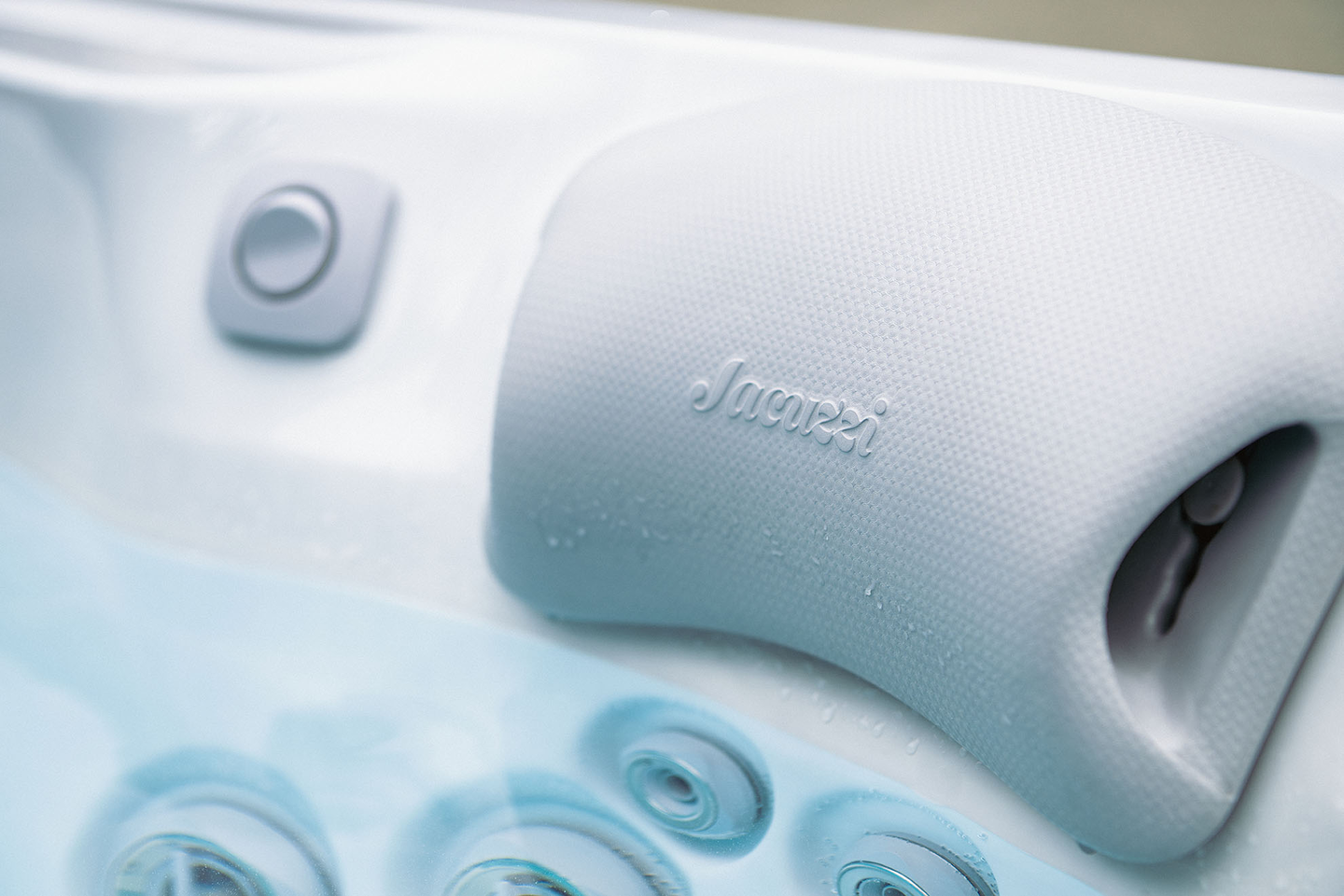
Jacuzzi® Hot Tub collections - what’s the difference?
The three distinct collections of Jacuzzi® Hot Tubs provide you with choices and options including varying price points, levels of design, features, size, seating, and hydromassage combinations.
Read More
The Jacuzzi® brand
Learn how the Jacuzzi® Brand was born, has evolved and continues to lead the portable hot tub and premium bathroom industries today.
Read More